
 By
By Spray decks are fitted covers made of waterproof cloth that stretch across the deck of your canoe to to prevent accidents and ensure safer and more enjoyable paddling. They are essential for difficult northern expeditions, especially if you’re going to be heading out onto large lakes or into rough or windy conditions.
I’ve used a spray deck on many trips in my youth, as well as on my 42 day solo trip through Nunavut in 2019, on the Seal River in 2021, on the Nahanni in 2023, Nueltin Lake and the Thlewiaza in 2024, and Great Slave Lake in 2025.
Here’s a video I shot breaking down the 5 benefits of having a spray deck on your boat…
Let’s recap the five reasons you might want to make or purchase a spray deck for your canoe…
1, Lake Safety
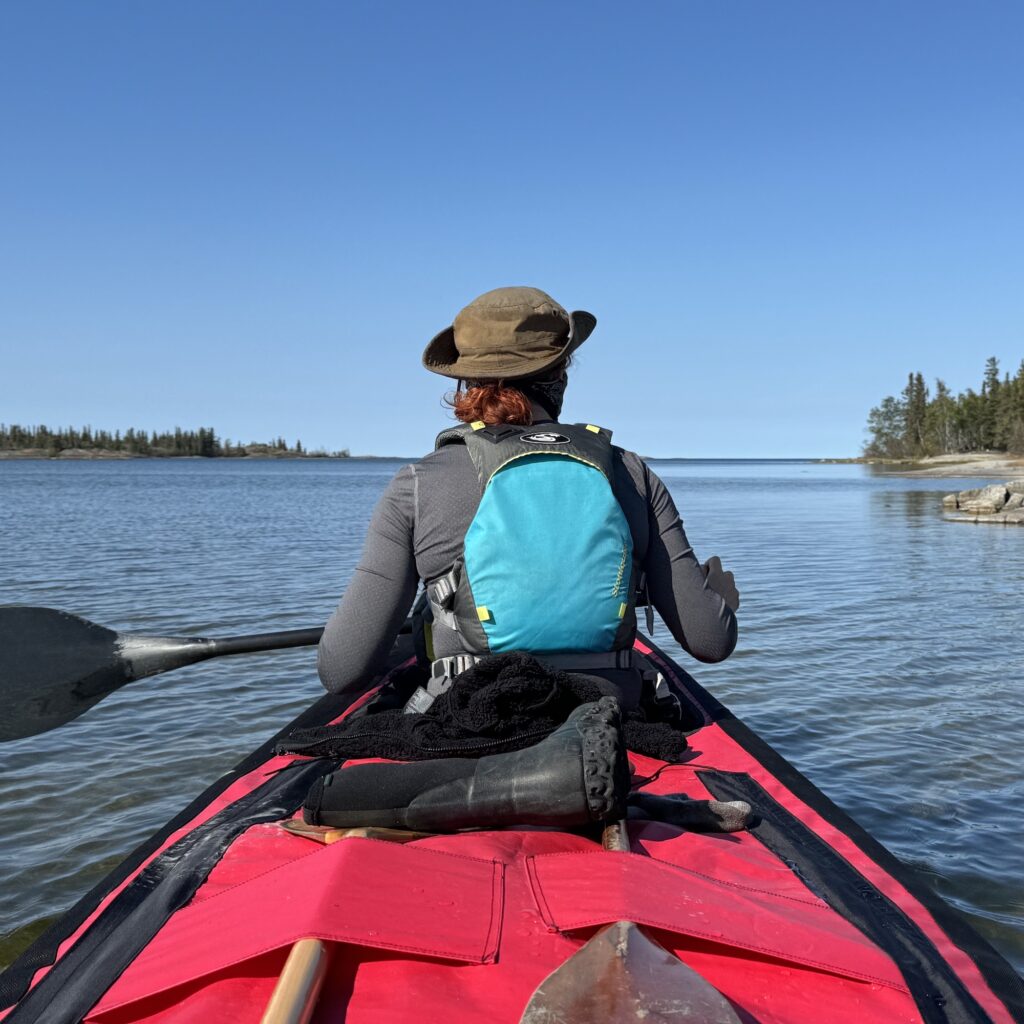
Large lakes are statistically the most dangerous part of any canoe trip. I’ve had too many close calls out on the water far from shore, and the worst canoe tragedy of recent times (13 fatalities) happened out on a large lake.
Spray decks make lakes a little safer. They keep the from waves, spray, and rain out, educing the risk of swamping and making it easier to maneuver, especially in rough or windy conditions.
Having a flat deck across the open top of your boat also somewhat reduces how much the wind can push you off course.
2, Whitewater Safety
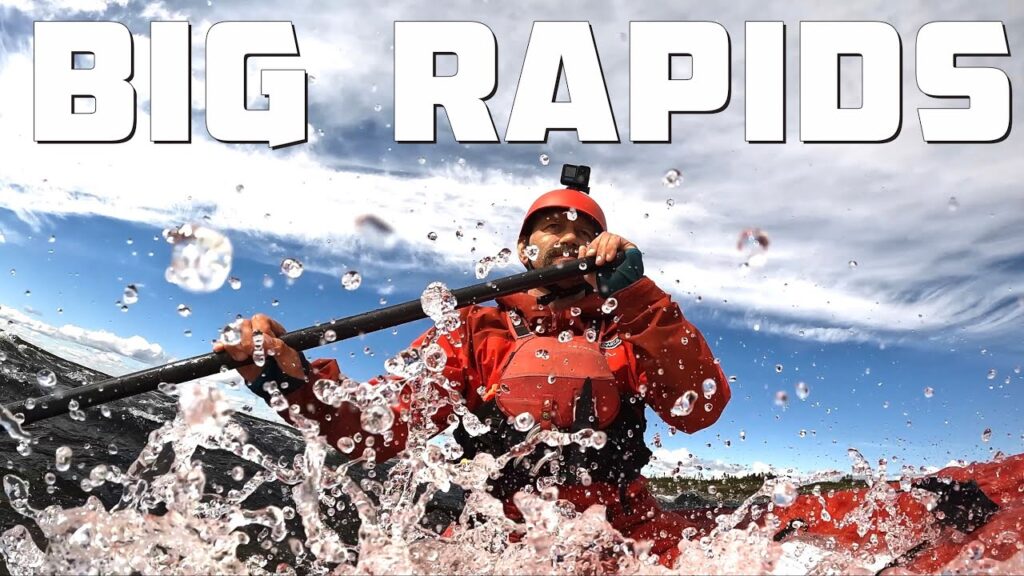
I love launching myself down a fun rapid in a canoe, but if things go wrong on a local river down south you can usually just walk out to a road. That is emphatically not true in the far North; lose your boat here and you could easily end up paying $10,000 or more for evacuation by helicopter or float plane.
Each wave that crashes over the bow makes your boat heavier; left unchecked eventually your boat will be unmanageable and riding much lower in the water, banging off of rocks instead of floating over them. Take on enough water and your boat will simply swamp and now you’re swimming.
A spray deck is a game-changer for white water canoeing on an expedition, especially if you have to ride through large waves, punch through holes, or slide over ledges. Here’s a video of a day on the remote Thlewaiza river with a LOT of whitewater and the spray deck repeatedly saved my bacon.
3, Increased Warmth
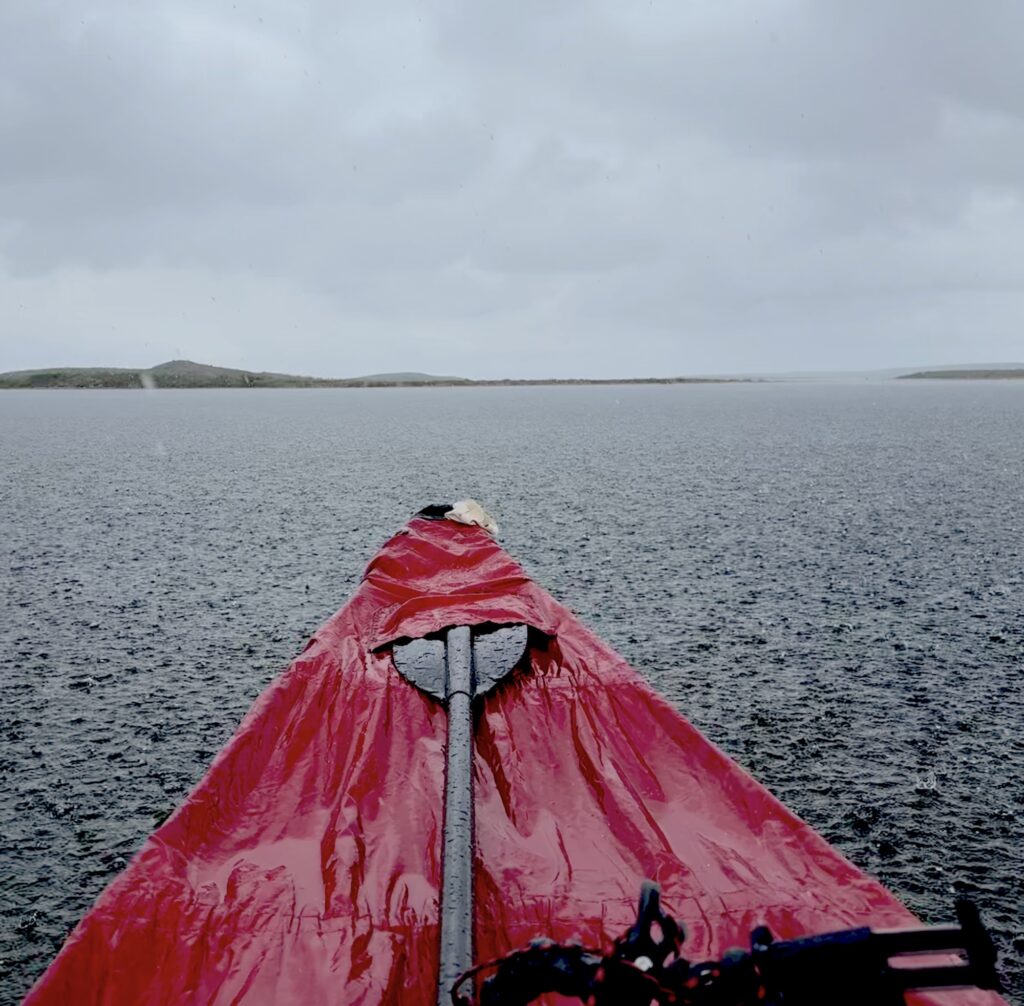
It can be cold out on the water, especially when the wind starts blowing. In canoeing your upper body is working hard, but your lower body is mostly static, and without using your large muscles to generate significant amounts of warmth it’s easy to get chilled.
Things get even colder on those days where the rain just won’t stop but you still have to make miles.
A spraydeck can help prevent hypothermia while canoeing by shielding the lower half of your body from the wind and the rain, both of which are trying to carry away all your body heat.
Spray decks are very helpful early in the season, late in the season, or if you’re paddling way up north in the Arctic. They really do keep you significantly warmer.
4, Keeps Your Gear Dry
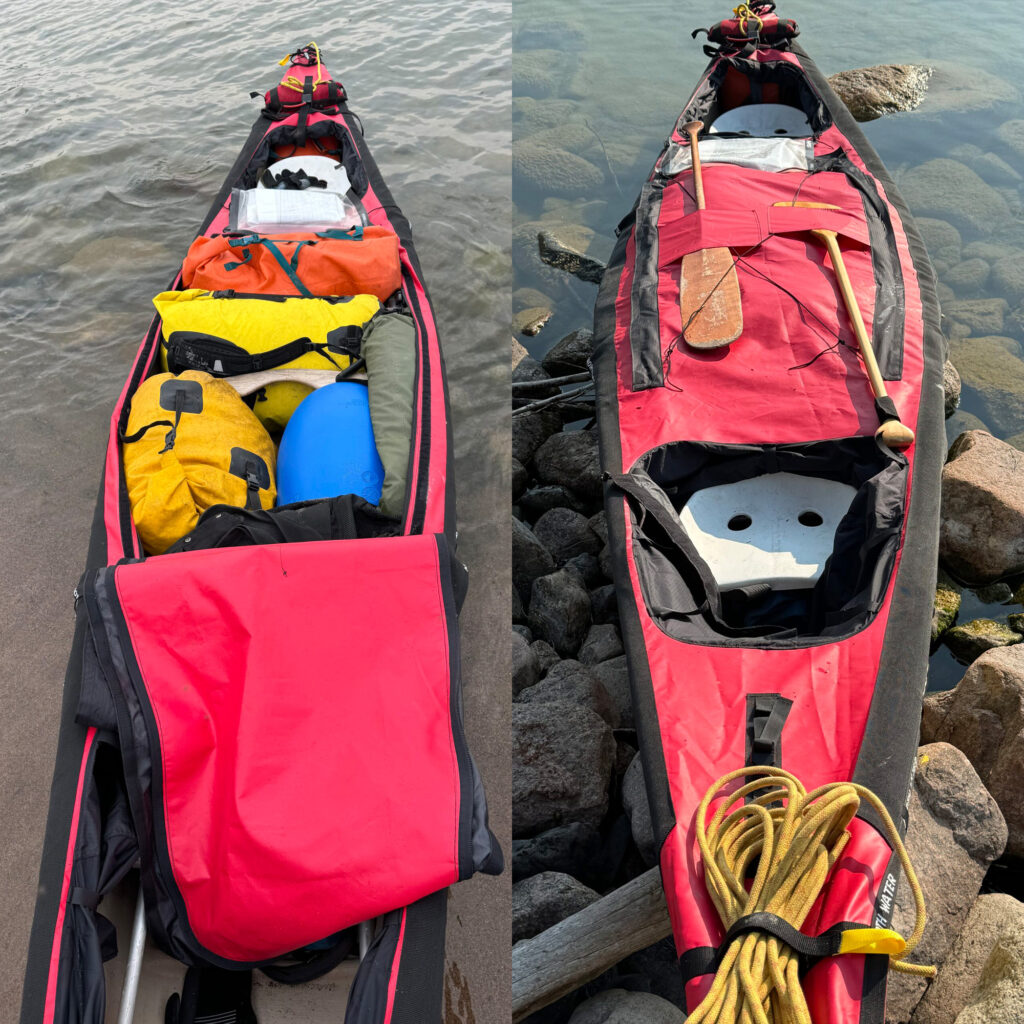
A spray deck also keeps your gear dry when it’s raining.
On an expedition you should be packing most of your gear in waterproof bags or barrels. That being said, it’s very convenient to have a waterproof space to temporarily stash items, such as a sweater or raincoat, so they won’t get wet and won’t blow away.
5, Emergency Signalling and Tent Replacement
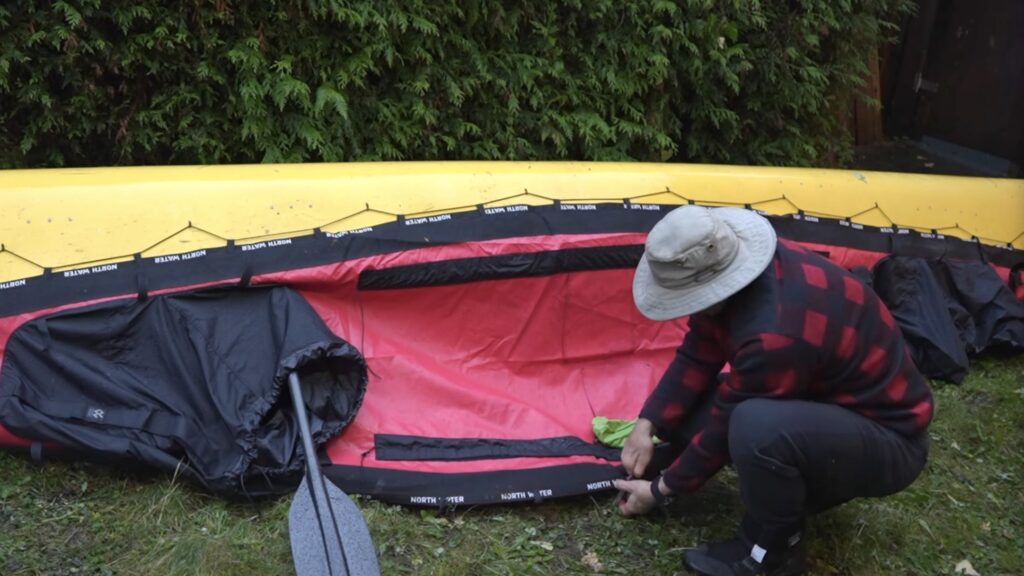
A spraydeck isn’t only useful out on the water – it can also save your butt back on land in a worst-case scenario.
Let’s say that ou need to signal a float plane; it can be really difficult for a pilot to see you and your group on the shore of a large lake. Laying out your brightly colored spraydeck beside your brightly colored canoe can make it a lot easier for him to spot you.
Furthermore, a spray deck can serve as an emergency tarp, and even a makeshift tent if you are left without shelter for some reason. It’s always a good thing when an item you bring on a trip can serve more than one function!
Conclusion
Spraydecks may not be necessary for casual trips, if you have to get in and out of your boat frequently, or if you’ll be extensively traveling upriver where it’ll probably just get in the way.
But if you’re thinking about doing a difficult trip where there are going to be big rapids, big lakes, or cold weather, then I think they’re a necessary piece of kit.
Buying a pre-made spraydeck is convenient; I’ve bought four different models over the years and the last time I looked, full-length spray decks ran from about $1,000 to nearly $2,000. This is obviously costly, but they do tend to last; I’m still using a Black Feather deck I purchased in the late 1990s with no problems.
If you have a good sewing machine creating your own can be a cheaper alternative. There are different plans available online, but I’ve frequently used the basic model described in Cliff Jacobson’s Canoeing Wild Rivers book and have been very happy with it.
Related Resources
How to Choose the Right Spraydeck
This is a separate video where I go through the design features – good and bad – of the different spray decks I’ve owned and used over the years. If you’re even thinking of buyng or making one then watch this first!
19 Days Solo on a Remote River in Nunavut

This is a detailed log (with lots of videos) of a solo trip I did down the Thlewiaza River in Nunavut in 2024.
This trip was made difficult by wind, pack ice, bears, and a seemingly infinite number of black flies. It was also incredibly beautiful .
Click here to check out 19 Days Solo on a Remote River in Nunavut.
Perseverance, Life and Death in the Subarctic
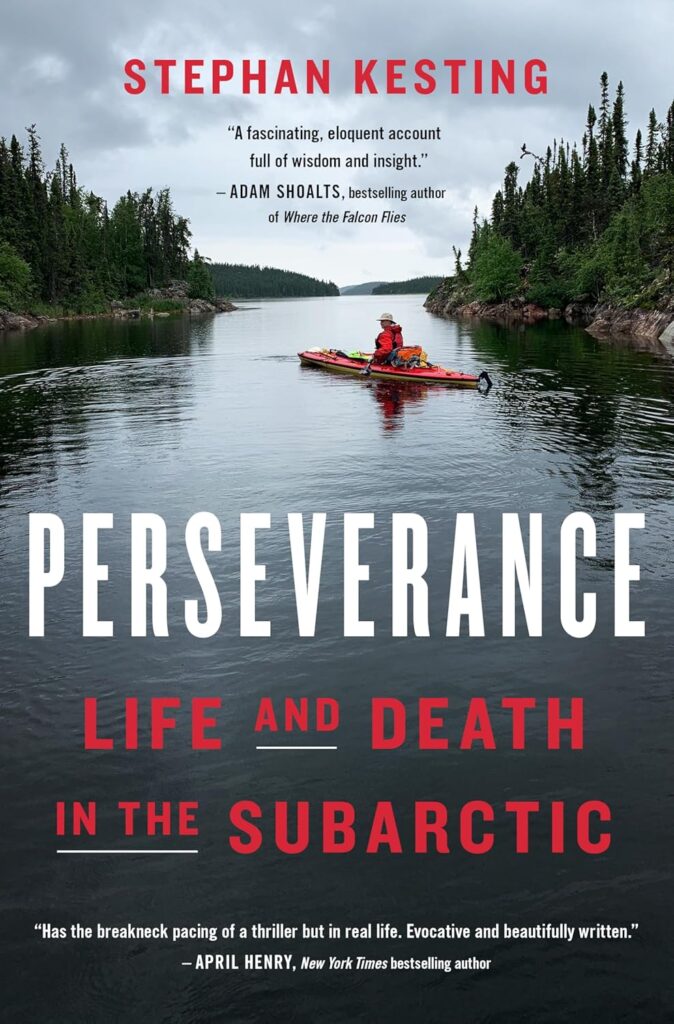
This is the story of my toughest journey, a 42 day trek across Northern Saskatchewan, Northern Manitoba, and remote Nunavut completely alone after recovering from a kidney transplant.
Find out why Explore Magazine said, “The title of the book is fitting—Perseverance. It’s an inspirational and honest read, showing his vulnerable side. Throughout, the author compares lessons from the wilderness he is paddling through that gives us hope in our day-to-day, dark times. Simply put, you can find strength in this book to overcome any obstacle.“
This book is now available at all major bookstores and distributors including Amazon.com, Amazon.ca, Barnes and Noble, and Indigo.